


The Evolution of Art Studios in Modern Times
- Bison milambo

- Sep 21, 2025
- 3 min read
Art studios have undergone a remarkable transformation over the years. From traditional spaces filled with canvases and paintbrushes to dynamic environments incorporating technology and community engagement, the evolution of art studios reflects broader changes in society and creativity. This post explores how art studios have changed, the factors driving these changes, and what the future might hold for artists and their creative spaces.
The Traditional Art Studio: Roots and Characteristics
Historically, art studios were private, often solitary spaces where artists could focus on their craft. These studios were typically located in quiet, secluded areas, such as attics, basements, or dedicated rooms in homes. The primary tools were physical materials like paints, clay, and canvases.
Physical space: Large, well-lit rooms with natural light were preferred.
Tools and materials: Brushes, easels, palettes, and raw materials dominated.
Creative process: Artists worked independently, often isolated from others.
This setup allowed artists to immerse themselves fully in their work, but it also limited collaboration and exposure to new ideas.

Modern Art Studios: Integration of Technology and Collaboration
Today, art studios have expanded beyond the traditional model. Modern studios often blend physical and digital tools, fostering collaboration and innovation.
Key features of modern art studios include:
Digital tools: Tablets, graphic design software, and 3D printers are common.
Shared spaces: Co-working studios encourage artists to share ideas and resources.
Multidisciplinary approaches: Artists combine painting, digital art, sculpture, and performance.
Community engagement: Studios often host workshops, exhibitions, and events.
For example, many contemporary studios use virtual reality to create immersive art experiences or employ digital fabrication techniques to produce sculptures. This shift has made art more accessible and interactive.

The Role of Art Studios in Urban Regeneration
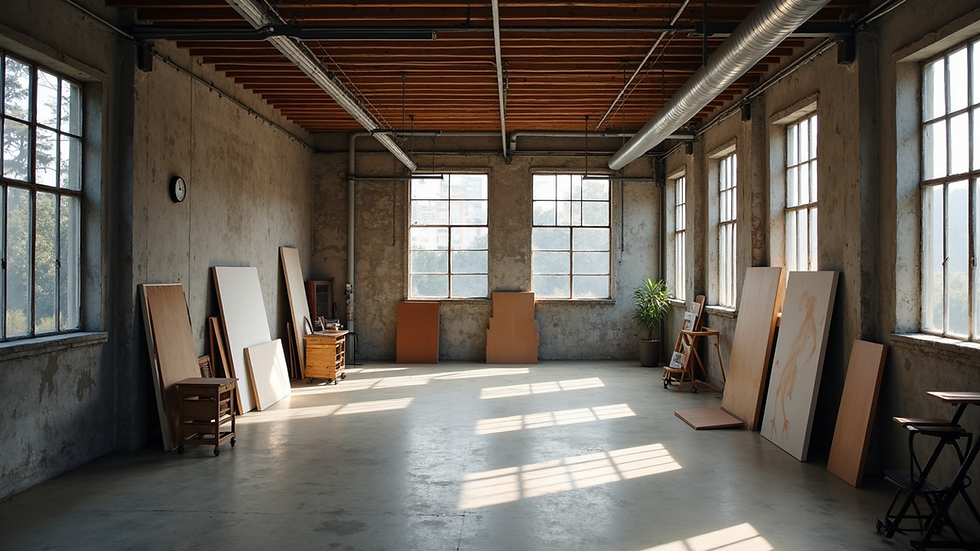
Art studios have become catalysts for urban renewal in many cities. By transforming abandoned warehouses or industrial buildings into creative hubs, they contribute to economic growth and cultural vibrancy.
Adaptive reuse: Old buildings are repurposed as studios, galleries, and event spaces.
Economic impact: Studios attract tourists, create jobs, and support local businesses.
Cultural hubs: They foster a sense of community and encourage cultural exchange.
Cities like London, New York, and Berlin have seen neighborhoods revitalized through the presence of art studios. This trend highlights the importance of creative spaces in urban planning and development.
How to Choose the Right Art Studio for Your Needs
Selecting an art studio depends on your artistic goals, preferred medium, and working style. Here are some practical tips:
Assess your space requirements: Consider the size and lighting you need.
Evaluate available tools and technology: Does the studio support your medium?
Consider location and accessibility: Proximity to galleries, suppliers, and transport matters.
Look for community and networking opportunities: Shared studios can offer valuable connections.
Budget wisely: Factor in rent, utilities, and any additional fees.
For those interested in a well-equipped and inspiring environment, studios like bm art provide excellent facilities and a supportive community.
The Future of Art Studios: Trends to Watch
The evolution of art studios is ongoing, shaped by technological advances and changing cultural dynamics. Here are some trends likely to influence the future:
Sustainability: Eco-friendly materials and energy-efficient spaces will become standard.
Hybrid studios: Combining physical and virtual spaces to reach global audiences.
AI and automation: Tools that assist in creative processes without replacing human creativity.
Increased inclusivity: Studios designed to be accessible to diverse artists and communities.
Personalized spaces: Modular studios that adapt to individual artist needs.
Artists and studio managers who embrace these trends will be better positioned to thrive in the evolving creative landscape.
Embracing Change in Your Artistic Journey
The transformation of art studios offers exciting opportunities for artists to expand their practice and connect with others. Whether you prefer a traditional setting or a cutting-edge digital environment, understanding these changes can help you make informed decisions about your creative space.
Exploring options like bm art can provide inspiration and resources to support your artistic growth. Remember, the right studio is not just a place to work - it is a space that nurtures creativity, collaboration, and innovation.
By staying open to new ideas and technologies, artists can continue to evolve alongside their studios, ensuring their work remains vibrant and relevant in modern times.


Comments