


Crafting Fine Art Portfolios with BM Arts Studio
- Bison milambo

- Dec 1, 2025
- 3 min read
Creating a fine art portfolio is more than just assembling your best works. It’s about telling your story, showcasing your unique style, and presenting your art in a way that captivates galleries, clients, and collectors. Over the years, I’ve learned that a well-crafted portfolio can open doors and elevate your artistic career. Today, I want to share insights and practical tips on fine art portfolios creation, drawing from my experience and the expertise of bm arts studio london.
Why Fine Art Portfolios Creation Matters
A fine art portfolio is your visual resume. It’s the first impression you make on potential buyers, galleries, or art schools. But it’s not just about quantity or flashy images. The quality of presentation, coherence, and storytelling are what truly matter.
When I started building my portfolio, I realized that every piece should serve a purpose. It should either demonstrate a skill, a concept, or a phase in my artistic journey. This approach helps viewers connect with your work on a deeper level.
Key elements to focus on in your portfolio:
Consistency: Choose works that reflect your style and vision.
Variety: Show different techniques or themes to highlight versatility.
Quality: Only include your best pieces, even if it means fewer works.
Presentation: Use high-resolution images and clean layouts.
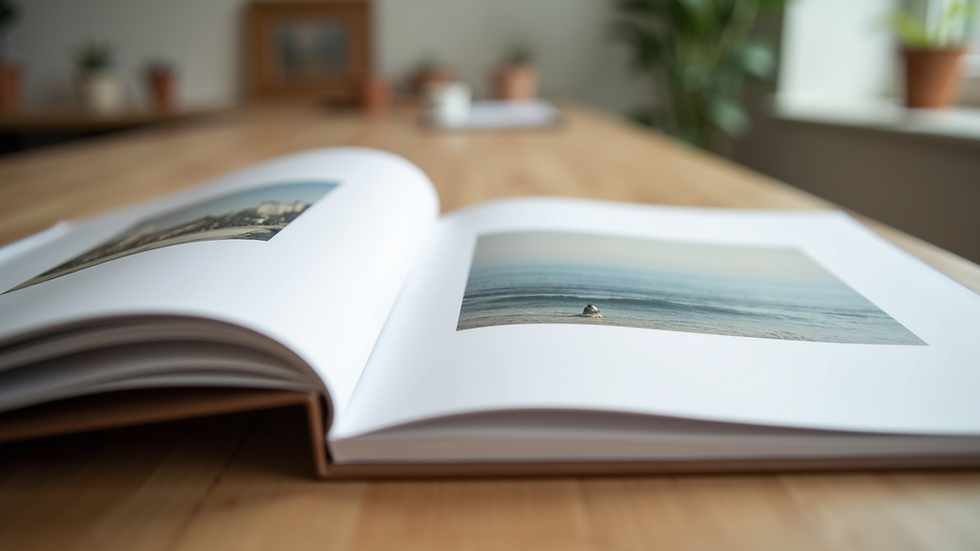
Showcasing a well-organized fine art portfolio with clear images and neat layout
Essential Steps in Fine Art Portfolios Creation
Creating a portfolio can feel overwhelming, but breaking it down into manageable steps makes the process smoother. Here’s a step-by-step guide that I follow and recommend:
1. Select Your Best Work
Start by gathering all your artworks. Then, critically evaluate each piece. Ask yourself:
Does this work represent my style?
Is it technically strong?
Does it tell a story or convey emotion?
Be ruthless. It’s better to have 10 outstanding pieces than 30 mediocre ones.
2. Organize Your Portfolio
Think about the flow. How do you want your audience to experience your work? You can organize by:
Chronology: Show your artistic growth.
Theme: Group similar concepts or styles.
Medium: Separate paintings, drawings, sculptures, etc.
3. Photograph or Scan Your Artworks
High-quality images are crucial. Use natural light and a neutral background. If possible, invest in professional photography or visit studios like bm arts studio london that specialize in art photography.
4. Design Your Portfolio Layout
Whether digital or physical, your portfolio should be easy to navigate. Use clean fonts, consistent spacing, and avoid clutter. Tools like Adobe InDesign or Canva can help create polished layouts.
5. Add Descriptions and Context
Include brief descriptions for each piece. Mention the title, medium, size, and year. You can also add a sentence or two about the inspiration or technique.
6. Review and Edit
Before finalizing, get feedback from trusted peers or mentors. Fresh eyes can spot inconsistencies or areas for improvement.
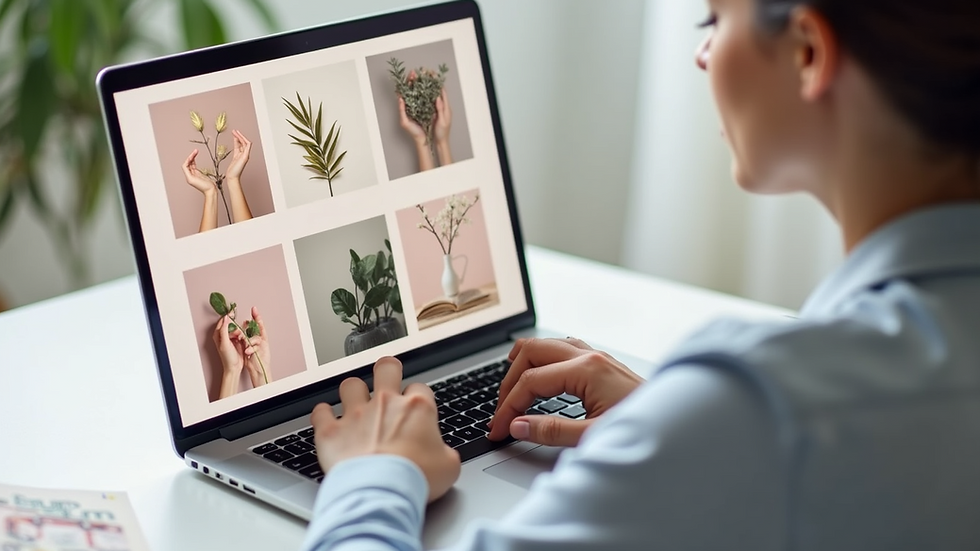
Digital portfolio showcasing high-resolution images and clean design
Tips for Presenting Your Portfolio Professionally
Presentation is key. Here are some tips I’ve found invaluable:
Keep it simple: Avoid flashy backgrounds or fonts that distract from your art.
Be consistent: Use the same style for all text and image borders.
Use quality materials: For physical portfolios, choose sturdy folders or binders.
Prepare a digital version: Many galleries and clients prefer digital portfolios for easy sharing.
Tailor your portfolio: Customize your selection based on the opportunity or audience.
How BM Arts Studio Can Elevate Your Portfolio
One of the biggest challenges artists face is capturing their work in the best light. This is where professional studios like bm arts studio london come in. They offer expert photography services tailored specifically for fine art.
Their team understands the nuances of lighting, color accuracy, and detail that make your art shine. A professional photo shoot can transform your portfolio, making it stand out in competitive environments.
Additionally, BM Arts Studio provides guidance on portfolio layout and presentation, ensuring your work is not only seen but remembered.
Final Thoughts on Fine Art Portfolios Creation
Crafting a fine art portfolio is a journey of self-reflection and presentation. It requires patience, honesty, and attention to detail. But the payoff is immense - a portfolio that truly represents your artistic voice and opens doors to new opportunities.
Remember, your portfolio is a living document. Keep updating it as you grow and evolve. And don’t hesitate to seek professional help when needed. With the right approach and resources, your fine art portfolio will be a powerful tool in your creative career.
Happy creating!


Comments